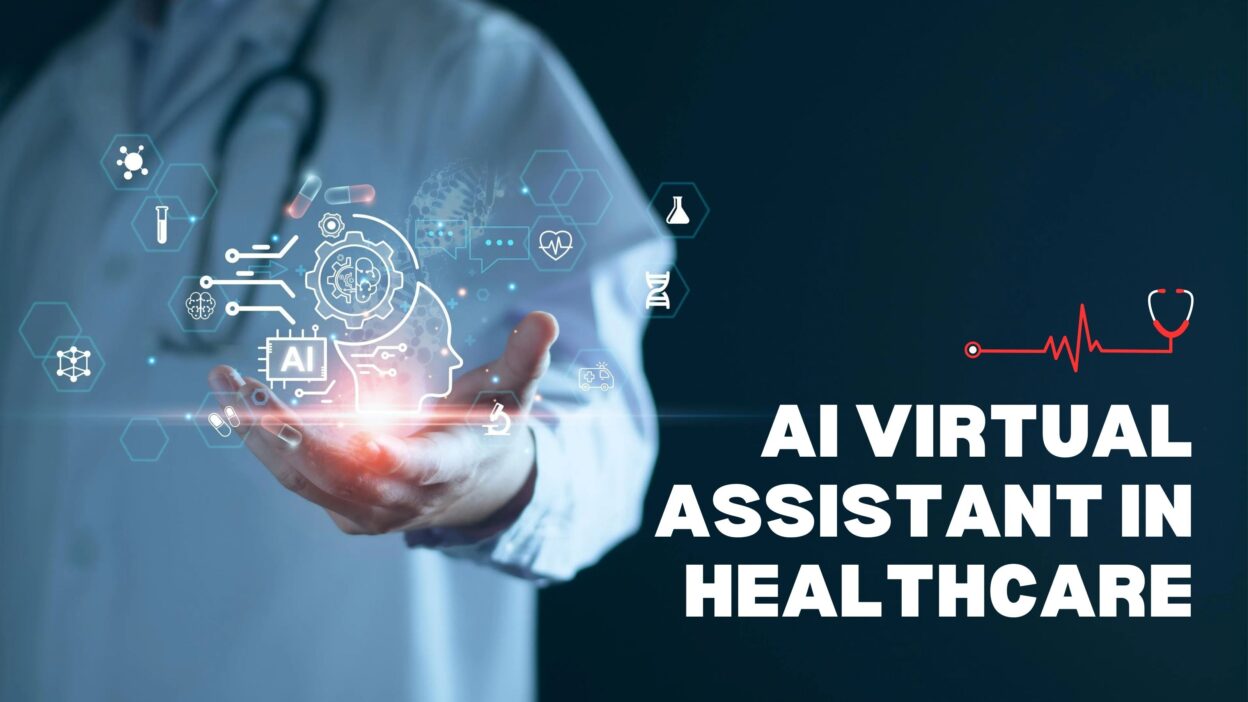

Picture this: A patient calls their doctor’s office at 2 AM with chest pain concerns. Instead of waiting until morning or rushing to the ER unnecessarily, they receive immediate guidance from an intelligent virtual assistant that assesses symptoms, provides preliminary advice, and schedules an urgent appointment if needed. This isn’t science fiction anymore. It’s the reality that AI virtual assistants are bringing to healthcare right now.
The healthcare industry is experiencing a transformation that seemed impossible just five years ago. With chronic staff shortages, rising patient volumes, and the ongoing demand for 24/7 care, AI virtual assistants in healthcare have emerged as the solution hospitals, clinics, and medical practices desperately need. By 2026, these intelligent systems are projected to handle over 40% of routine patient interactions, freeing healthcare professionals to focus on what they do best: providing compassionate, hands-on care.
What Are AI Virtual Assistants in Healthcare?
AI virtual assistants are sophisticated software programs powered by artificial intelligence and natural language processing that can understand, respond to, and learn from patient interactions. Unlike basic chatbots that follow rigid scripts, these advanced systems can:
- Comprehend complex medical queries in natural language
- Provide personalized responses based on patient history
- Schedule appointments across multiple providers
- Send medication reminders and follow-up instructions
- Triage symptoms and recommend appropriate care levels
Think of them as digital healthcare coordinators that never sleep, never take breaks, and can handle thousands of conversations simultaneously while maintaining accuracy and empathy.
The Real-World Impact: How Virtual Assistants Are Changing Patient Care
Reducing Administrative Burden
Healthcare professionals spend nearly 16 hours per week on administrative tasks. AI virtual assistants are tackling this problem head-on by automating appointment scheduling, insurance verification, prescription refills, and patient intake forms.
One major hospital network reported a 60% reduction in administrative call volume after implementing virtual assistant technology. That translates to thousands of hours returned to nurses and staff who can now spend time on direct patient care instead of paperwork.
Improving Patient Access and Experience
Patients want healthcare on their terms. AI virtual assistants provide instant access to medical information, appointment availability, and preliminary health guidance at any hour. This immediacy builds trust and satisfaction while reducing the frustration of phone trees and long hold times.
Virtual assistants also break down language barriers. With multilingual capabilities, these systems ensure non-English speaking patients receive the same quality of communication and care coordination as everyone else.
Enhancing Chronic Disease Management
For patients managing diabetes, hypertension, or other chronic conditions, consistent monitoring and engagement are crucial. AI virtual assistants excel at this ongoing support by sending personalized reminders, tracking symptoms, collecting health data, and alerting providers when intervention is necessary.
This proactive approach has shown remarkable results. Studies indicate that patients using AI-assisted monitoring demonstrate 30% better medication adherence and fewer emergency room visits.
Key Technologies Powering Healthcare Virtual Assistants
Natural Language Processing and Understanding
Modern AI virtual assistants don’t just recognize words; they understand context, emotion, and intent. This sophisticated natural language processing allows them to handle complex medical conversations, recognize urgent situations, and provide appropriate responses that feel genuinely helpful rather than robotic.
Machine Learning and Continuous Improvement
These systems get smarter with every interaction. Machine learning algorithms analyze thousands of conversations to identify patterns, improve response accuracy, and personalize communication styles. The result is an assistant that becomes more effective over time without constant manual programming.
Integration with Electronic Health Records
The true power of AI virtual assistants emerges when they connect seamlessly with existing healthcare infrastructure. Integration with electronic health records, scheduling systems, and billing platforms creates a unified experience where information flows smoothly between patients, virtual assistants, and care teams.
Practical Applications Across Healthcare Settings
Primary Care Clinics: Handling appointment scheduling, prescription refills, test result notifications, and preventive care reminders.
Hospitals: Managing patient inquiries, providing wayfinding assistance, collecting pre-admission information, and coordinating discharge instructions.
Specialty Practices: Screening potential patients, collecting detailed medical histories, explaining complex procedures, and managing follow-up care protocols.
Telehealth Platforms: Triaging symptoms before virtual consultations, assisting with technical setup, and facilitating smoother remote appointments.
What Makes Ab Ark Your Ideal Partner for Healthcare AI Solutions
At Ab Ark Private Limited, we understand that implementing AI virtual assistants in healthcare requires more than just technology. It demands deep industry knowledge, commitment to patient privacy, and the ability to create solutions that integrate seamlessly with existing workflows.
Our team has successfully deployed artificial intelligence and machine learning solutions across healthcare organizations in Pakistan, the USA, and UAE. We don’t believe in one-size-fits-all approaches. Instead, we work closely with healthcare providers to design custom virtual assistant solutions that address specific challenges, comply with regulations like HIPAA, and genuinely improve patient outcomes.
Our consulting and digital transformation services ensure your organization doesn’t just adopt new technology but transforms how care is delivered. From initial strategy and UI/UX design to implementation and ongoing optimization, we’re with you every step of the journey.
Addressing Privacy and Security Concerns
Healthcare data is sacred. AI virtual assistants must meet the highest security standards to protect patient information. Leading solutions incorporate end-to-end encryption, strict access controls, regular security audits, and full compliance with healthcare privacy regulations.
Transparency matters too. Patients should always know when they’re interacting with an AI system and have the option to speak with human staff when needed. The goal isn’t to replace human connection but to enhance it by removing barriers and improving access.
The Road to 2026 and Beyond
We’re standing at the threshold of a healthcare revolution. As AI technology advances, virtual assistants will take on increasingly sophisticated roles, from providing mental health support to assisting with complex care coordination for patients with multiple conditions.
The healthcare organizations that embrace this transformation now will be the ones leading their markets tomorrow. Those that wait risk falling behind as patients increasingly expect and demand the convenience, accessibility, and personalized attention that AI virtual assistants provide.
FAQ’s
Q1: What is a virtual assistant in healthcare?
A virtual assistant in healthcare is an AI powered helper that supports tasks like scheduling, patient guidance, symptom checks, reminders, and workflow automation to improve efficiency and care.
Q2: What is the function of AI in virtual health assistants?
AI in virtual health assistants processes patient inputs, delivers guidance, automates tasks, and supports clinical decisions to improve care efficiency and accuracy.
Q3: Will AI virtual assistants replace human healthcare workers?
AI virtual assistants will not replace human healthcare workers because they handle routine tasks while humans remain essential for complex care, judgment, and empathy.
Ready to Transform Your Healthcare Delivery?
The future of patient care is intelligent, accessible, and always available. AI virtual assistants aren’t just changing they’re making it more human by giving providers the time and resources to truly connect with patients.
Ab Ark is ready to help your organization harness this transformative technology. Whether you’re a small clinic looking to improve patient access or a large hospital system seeking comprehensive digital transformation, our team has the expertise and experience to deliver solutions that work.
Contact Ab Ark today to schedule a consultation and discover how our AI and machine learning solutions can revolutionize your patient care delivery. Let’s build the future of healthcare together.
Syed Ahmad Ali is a tech writer at AB Ark with a knack for turning complex ideas into easy reads. He writes across a range of topics, but AI, software development, and the business of tech sit right at the top of his list.